Composite decking vs. wood: which one is better? This question is a common concern for homeowners building or renovating a deck. Both materials offer unique benefits, but critical factors such as durability, maintenance, and longevity can make one a more practical choice than the other, depending on your needs.
This informative guide will break down these elements to help you decide between composite decking and wood for your outdoor space.
Durability Comparison
Durability is a crucial factor for anyone investing in a deck. A deck should withstand the elements, high foot traffic, and the test of time. Here’s how composite decking and wood stack up when it comes to durability.
Composite Decking Durability
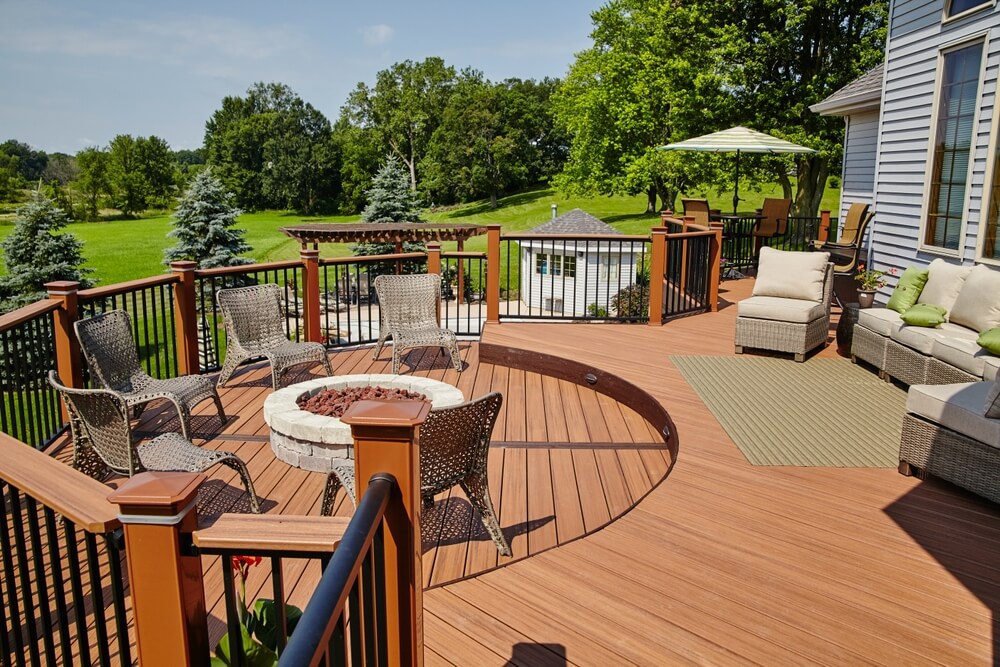
Composite decking is engineered to resist common issues that plague wood, such as rot, warping, and insect damage. Made from a blend of wood fibers and plastic, composite decking is highly resistant to the effects of moisture, making it ideal for regions with harsh weather conditions. It’s also durable enough to handle high-traffic areas without showing significant wear, making it a popular choice for families and entertainment areas. Unlike wood, composite decking doesn’t splinter, so it’s safe for children and pets.
Wood Decking Durability
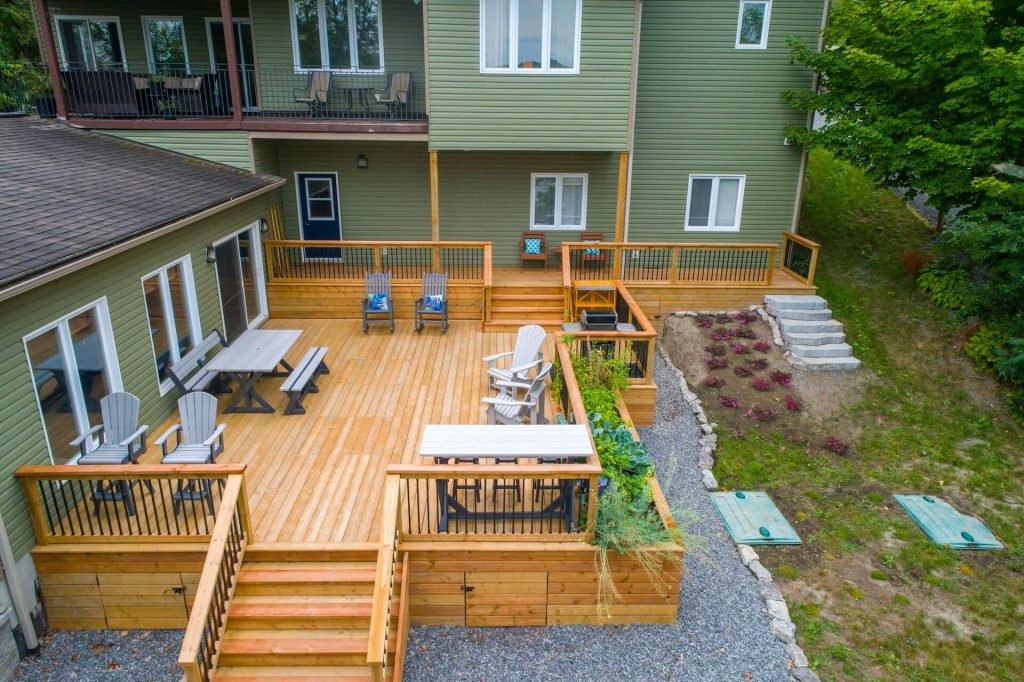
Wood decking provides a natural, authentic look and feel but can be prone to certain types of damage if not properly maintained. Wood can warp, rot, or splinter over time, especially if it’s exposed to moisture and not regularly treated. While some wood types, such as cedar and redwood, offer natural resistance to rot and insects, they still require periodic sealing or staining to maintain durability and prevent premature wear.
Maintenance Needs
Maintenance is another important consideration when choosing between composite and wood decking. The amount of time and effort you’re willing to invest in upkeep can help guide your decision.
Maintenance of Composite Decking
One of the main benefits of composite decking is its low maintenance requirements. Unlike wood, composite decking doesn’t need regular painting, sealing, or staining. To keep it looking its best, composite decking typically only requires occasional cleaning with soap and water to remove dirt and debris. This easy upkeep makes it an appealing option for homeowners who prefer a hassle-free outdoor living space.
If you need installation or repair support, consider professional deck installation and repair services.
Maintenance of Wood Decking
Wood decking is known for its high maintenance needs. To preserve its appearance and prevent damage, wood requires sealing, staining, or painting at least once every few years. Additionally, wood decks need regular inspections for signs of rot or insect damage, which can require timely repairs to prevent more significant issues. Homeowners who prefer the aesthetic of wood should be prepared for ongoing upkeep.
For those opting for wood, consider carefully planning your deck design with the most durable materials and finishes to help extend the deck’s life.
Longevity of Composite vs. Wood
The longevity of a deck depends mainly on the material and the level of maintenance it receives. Here’s a breakdown of how composite decking and wood compare.
Composite Decking Longevity
Composite decking is built to last. With minimal maintenance, composite decks can last 25 to 30 years or even longer, making them a long-term investment for homeowners. Additionally, many composite options are fade and stain-resistant, preserving the deck’s color and appearance for years without much effort.
Wood Decking Longevity
The lifespan of a wood deck generally ranges from 10 to 15 years with regular upkeep, though this duration can vary depending on the type of wood and climate conditions. Higher-quality woods, such as redwood or cedar, may last longer if properly maintained. However, all wood requires consistent care to prevent rot, warping, and insect damage over time.
Making the Right Choice for Your Home
When choosing between composite decking and wood, consider your lifestyle, maintenance preferences, and budget. Composite decking may have a higher upfront cost, but its low maintenance and long lifespan can make it a cost-effective choice over time. Wood decking, on the other hand, offers a classic look at a lower initial price but may require more maintenance and replacement over the years.
For budget-conscious homeowners, financing options may be available to help make your ideal deck a reality. Learn more about financing options from Construction Solutions. If you’re still unsure about which material is suitable for you, contact us for a free quote, expert advice, and personalized support to make the best choice for your home.
We’re Here To Help
In the debate of composite decking vs. wood, both materials come with distinct advantages. Composite decking wins in terms of durability, low maintenance, and longevity, making it a strong choice for those looking to maximize their investment. Wood decking offers a more traditional aesthetic but requires regular upkeep to maintain its durability and appearance.
When deciding, assess your priorities and consult with professionals to help guide you through the process and ensure your deck is designed to meet your specific needs. Construction Solutions is here to help you make the right choice for your home and create a beautiful, functional outdoor living space that you can enjoy for many years.
Contact us today, and let us help transform your outdoor space.